
Louisville’s neighborhoods are not interchangeable backdrops. Each has its own street pattern, building scale, businesses, residents, and relationship to downtown. Choose a base by the shape of your trip rather than a single attraction.
Downtown and the river edge
A downtown base can make museums, West Main Street, the riverfront, and central venues easier to combine. The tradeoff is that a visitor who stays only within the central district may miss the smaller-scale streets and daily rhythms elsewhere.
NuLu and Butchertown
East of downtown, adaptive reuse, restaurants, galleries, shops, public art, and the approach to the Big Four Bridge create a different pace. These areas can work well for travelers who want to move between food, design, street life, and the waterfront.
Old Louisville
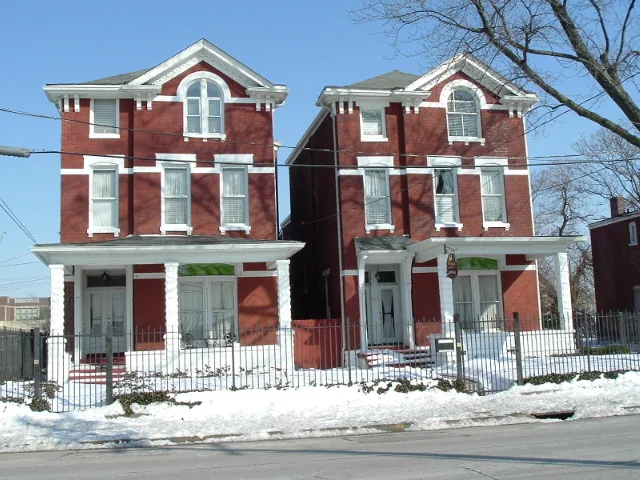
Old Louisville offers a strong residential architecture experience, with mature trees, porches, masonry, and Victorian-era buildings. Treat it as a lived-in neighborhood: keep noise down, respect private property, and use public routes.
Highlands, Germantown, and other districts
Restaurant streets, independent businesses, shotgun-house proportions, and varied residential fabric give these districts distinct identities. They are useful when your trip is organized around meals, neighborhood walks, or a slower evening rather than a central attraction list.
A practical decision sequence
- Mark the two or three places that are genuinely important to you.
- Estimate travel time without assuming every district is walkable from every other one.
- Choose one main district per half-day.
- Leave room for a park, riverfront pause, or unplanned meal.
- Confirm lodging terms, accessibility, parking, and transit directly before booking.
There is no universally “best” neighborhood. The right choice is the one that supports your pace while giving you a respectful way to experience the city beyond your room.