Bourbon is a meaningful part of Louisville’s identity, but a tasting day becomes more interesting when it includes the city’s broader culture of making. Think about ingredients, tools, labor, migration, neighborhood businesses, and the ways food and drink move through a city.
Start with process
When comparing distillery or tasting experiences, look for clear educational content: raw materials, fermentation, distillation, maturation, blending, bottling, and the role of regulation. Avoid assuming every experience includes the same access or format. Confirm current rules, age requirements, transportation needs, and availability with the operator.
Add a different kind of workshop
Louisville’s manufacturing and cultural institutions offer other ways to think about craft. A museum, studio, food business, or production-focused visit can shift attention from consumption to skill, design, and the people behind an object or meal.
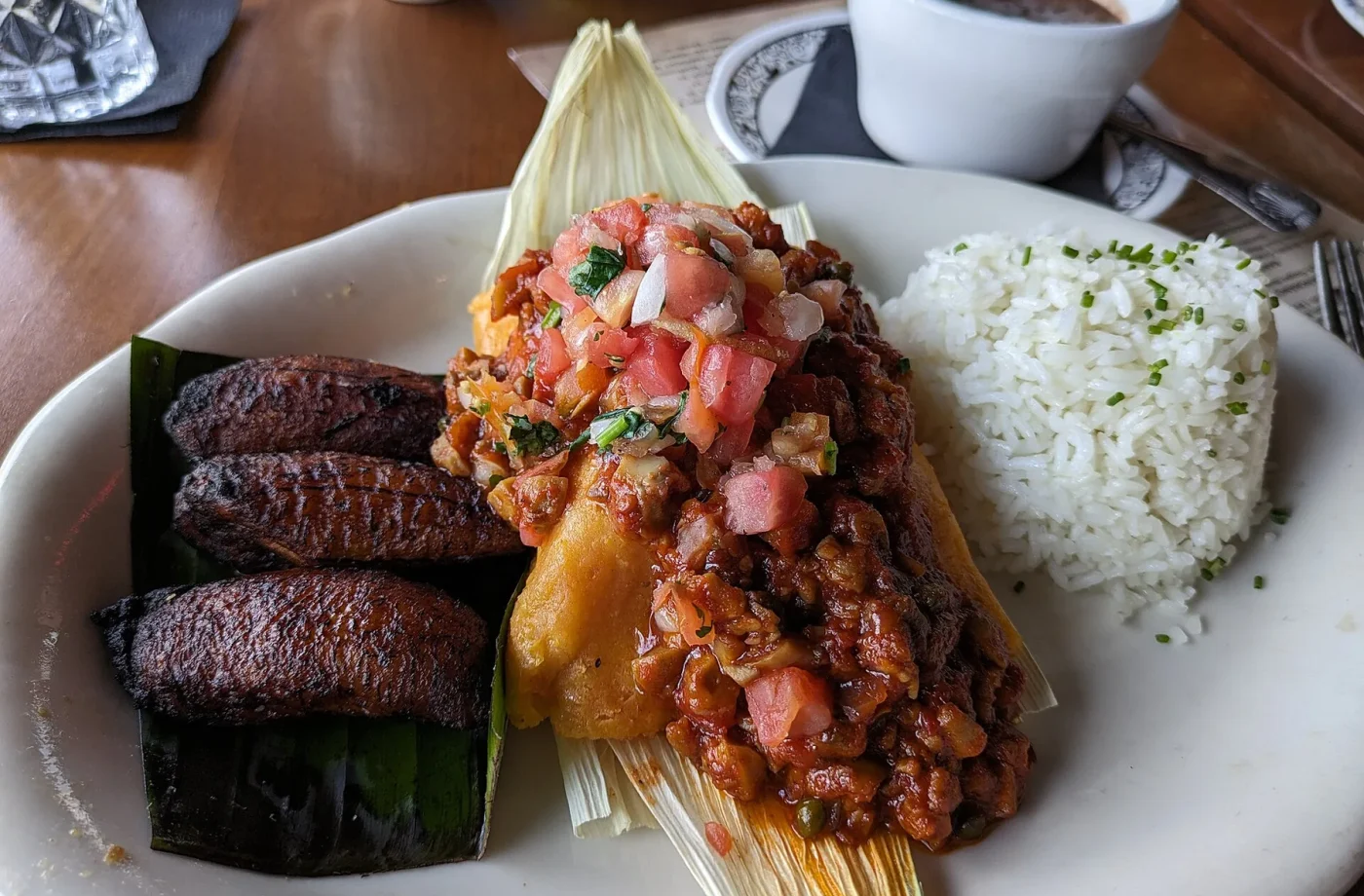
Give meals enough space
- Choose one district instead of crossing the city between every course.
- Balance reservations with a flexible café, market, or casual stop.
- Ask about ingredients and accessibility needs directly.
- Do not treat a busy local restaurant as a photo set.
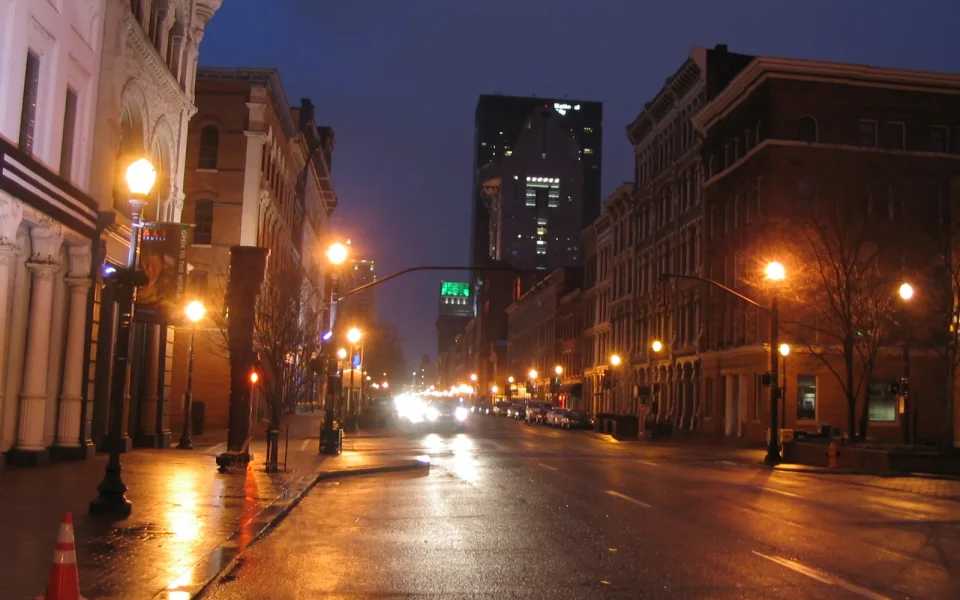
A good tasting day has contrast: warm interiors and open streets, formal interpretation and informal conversation, familiar traditions and contemporary Louisville.
Plan alcohol responsibly
Arrange safe transportation before drinking, pace tastings, eat, hydrate, and respect venue policies. Travelers who do not drink can still engage with architecture, production history, food, design, and the city’s wider making culture.
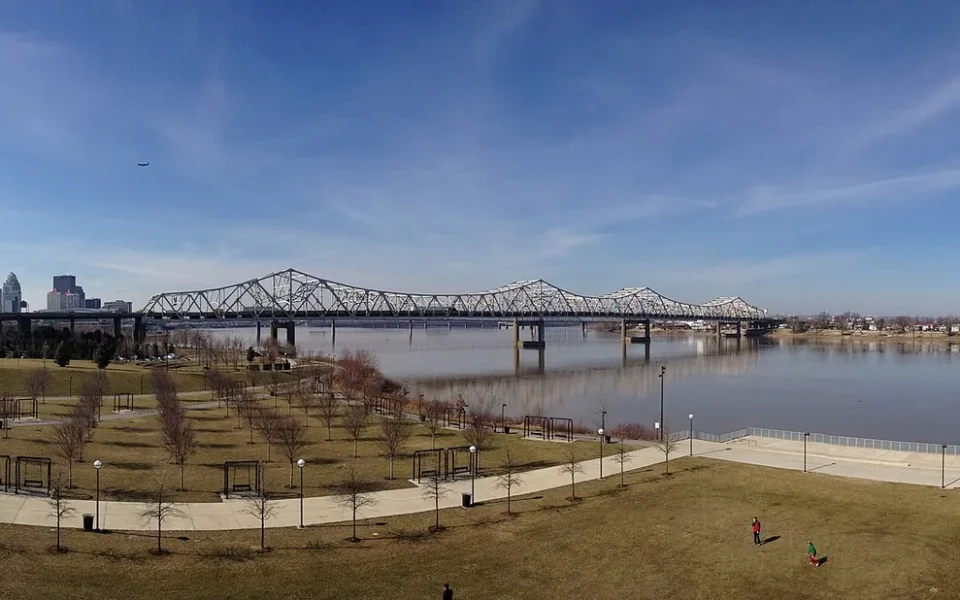
Close the day with a neighborhood walk or river view rather than another rushed reservation. Louisville’s food identity becomes more legible when bourbon is part of the composition—not the whole frame.
Still comparing Food Tours?
Ask for tour ideas, hotel suggestions, or a simple trip plan that combines both.